Keep Cool Without Breaking the Bank Summer brings longer days, warmer weather, and unfortunately—higher energy…
4 Ways Remote Work Has Impacted Home Design
The shift toward remote and hybrid work has changed how many people think about their homes. Spaces once designed purely for living and relaxing now often double as offices, classrooms, and meeting rooms. These new demands have shaped a fresh set of priorities in home design.
A New Relationship Between Home and Work
When the commute disappears and the dining table becomes a desk, the home takes on roles it was never originally meant to fill. Homeowners and buyers have responded by rethinking how their spaces function. The result is a wave of design trends focused on flexibility, comfort, and balance between professional and personal life.
4 Ways Remote Work Is Reshaping Home Design
1. The Rise of the Dedicated Home Office
Perhaps the most visible change is the renewed demand for a real workspace. A spare bedroom, a finished basement nook, or even a converted closet can become a functional office. Buyers increasingly look for homes with an extra room or flexible area that can serve this purpose. A dedicated space helps separate work from home life and can make video calls and focused tasks far more manageable.
2. Flexible, Multipurpose Rooms
Not everyone has a room to spare, so adaptable design has grown popular. Furniture that folds away, built-in desks, room dividers, and convertible spaces allow a single area to shift between functions throughout the day. A guest room might serve as an office on weekdays, or a living room corner might transform into a workspace and then disappear by evening. This flexibility helps homes do more with the square footage available.
3. Better Connectivity and Quiet Zones
Reliable internet and thoughtful sound control have become essential. Many homeowners now prioritize strong network coverage throughout the house and look for ways to reduce noise, such as soft furnishings, solid doors, and workspaces placed away from busy areas. Designing for fewer distractions has become a practical concern, especially in households where more than one person works or studies from home.
4. Renewed Focus on Comfort and Wellness
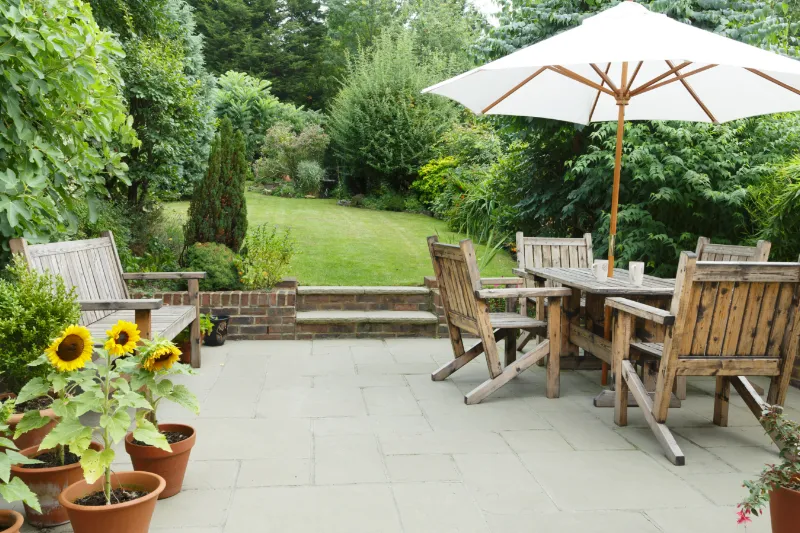
Spending more hours at home has heightened attention to comfort and well-being. Natural light, access to outdoor space, calming color palettes, and biophilic touches like plants have all gained appeal. Outdoor areas, in particular, have become valued extensions of the home, offering a place to take a break or even work outside on pleasant days. The line between a home that looks good and one that feels good has grown increasingly important.
What This Means for Buyers and Homeowners
If you work remotely, your home wish list may look different than it once did. Where a short commute might have topped the list in the past, factors like an extra room, a quiet layout, or a yard may now carry more weight. For current homeowners, modest changes such as adding a built-in desk or improving a room's flexibility can make a meaningful difference without a major project.
Designing for the Way You Actually Live
The most successful home designs reflect how a household truly spends its days. As remote and hybrid arrangements continue to evolve, the ability to adapt a space to changing needs has become a lasting value. Thinking ahead about flexibility can help a home serve you well even as your work situation shifts over time.
If a change in how you work has you reconsidering whether your current home still fits your needs, the team at Clayhouse Mortgage would be happy to talk through your options whenever the timing feels right.
This article is general educational information, not financial or lending advice, and not a commitment to lend. Programs, eligibility, and terms vary by situation. Clayhouse Mortgage · Equal Housing Opportunity.

Related Posts