Introduction As we approach the 4th of July, a time synonymous with celebrating freedom and…
Understanding the Cost of Waiting to Buy a Home
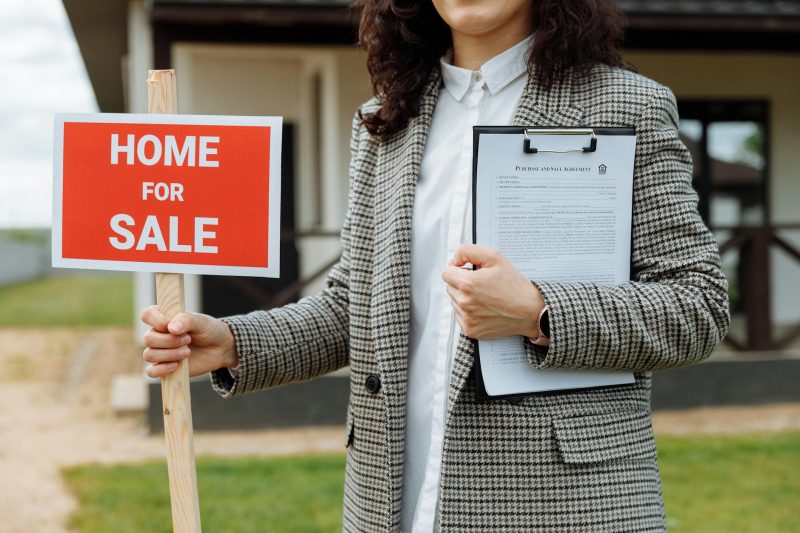
When you're thinking about buying a home, waiting can feel like the safe choice, more time to save, more time to watch the market, more time to feel ready. But waiting carries its own costs, and they're worth understanding before you decide.
Why Waiting Feels Comfortable
The desire to wait usually comes from a good place. You might want a larger down payment, a higher credit score, or more certainty about where rates and prices are headed. These are reasonable instincts. The challenge is that several moving parts can shift while you wait, and not always in your favor.
The Pieces That Can Move
Buying a home isn't governed by a single number. A few different factors interact, and waiting affects each one differently:
- Home prices. Over longer stretches, home values in many markets have tended to rise. If prices climb while you save, the larger home you're aiming for may also cost more, which can offset some of your progress.
- Interest rates. Rates move based on economic conditions that are hard to predict. If they rise while you wait, your future purchasing power can shrink even if your savings grow.
- Rent in the meantime. While you wait to buy, you're typically still paying for housing. Rent is money that doesn't build equity for you, and rents themselves often rise over time.
- Equity you're not building. Each month as an owner can chip away at your loan balance and build ownership. Time spent waiting is time not building that equity.
The Hidden Trade-Off
Many buyers focus heavily on saving a larger down payment, which is a worthy goal. But it's helpful to weigh that against what's happening elsewhere. If prices and rates both move higher during the time you spend saving, the advantage of a bigger down payment can be partly canceled out. Meanwhile, you've continued paying rent rather than building equity.
This doesn't mean rushing in unprepared is wise. It means the decision deserves a fuller view than "save more, then buy." Sometimes the math favors buying sooner with a solid plan, and sometimes it favors waiting. The point is to look at the whole picture rather than one piece.
What "Ready" Actually Looks Like
Financial readiness to buy generally rests on a few foundations rather than a single milestone:
- Stable income you can document and reasonably expect to continue.
- A manageable level of monthly debt relative to what you earn.
- Savings for a down payment and closing costs, along with a cushion for the unexpected.
- A credit profile that reflects consistent, on-time payments.
- A realistic plan for how long you expect to stay in the home.
If these are largely in place, waiting purely to time the market may carry more risk than it removes, because the market is the part you can't control.
Lower Down Payment Paths
It's also worth knowing that a large down payment isn't the only route to ownership. A variety of loan programs are designed to support buyers with smaller down payments, and some are aimed at first-time buyers specifically. Exploring these options early can change the timeline you assumed you were locked into.
Making a Clear-Eyed Decision
The cost of waiting is real, but so is the cost of buying before you're prepared. The goal isn't to pressure yourself into a deadline. It's to understand that waiting isn't free, weigh it honestly against your readiness, and make a deliberate choice rather than defaulting to "later" without examining what later might bring.
If you'd like help thinking through where you stand and what your options look like, Clayhouse Mortgage is happy to have that conversation whenever it's useful to you.
This article is general educational information, not financial or lending advice, and not a commitment to lend. Programs, eligibility, and terms vary by situation. Clayhouse Mortgage · Equal Housing Opportunity.

Related Posts