
What a Foreclosure Actually Is
A foreclosed home is one that has returned to a lender or been sold to recover an unpaid loan after the previous owner could no longer keep up with payments. These properties may be sold at auction or listed as bank-owned, often called real estate owned, or REO. Each path has different rules, timelines, and levels of access, so it helps to know which kind you are pursuing before you begin.
1. Condition and the As-Is Reality
Foreclosed homes are frequently sold as-is, meaning the seller may not make repairs or improvements before the sale. Some homes are well kept, while others may have been vacant for a while or left in poor shape.
- Budget for the possibility of repairs, from cosmetic fixes to larger systems like roofing, plumbing, or heating.
- Where possible, arrange a professional inspection so you understand the home's condition before committing.
- Recognize that at auction, inspections may not be allowed, which raises the level of uncertainty.
2. The Buying Process Is Different
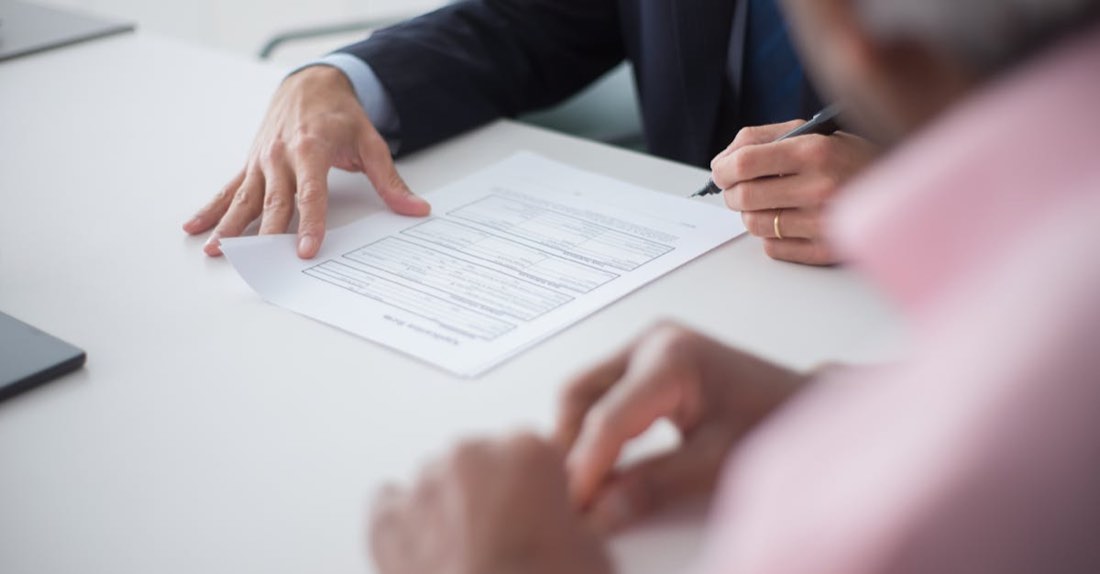
Purchasing a foreclosure often does not look like a standard transaction. Auctions can move quickly and may require specific terms, while bank-owned listings can involve more paperwork and longer response times from the institution selling the property.
- Learn the rules for the specific sale, including how offers are made and what timelines apply.
- Be prepared for a process that may feel less personal, since you are often working with an institution rather than an individual seller.
- Consider working with a real estate professional experienced in foreclosures who can help you navigate the steps.
3. Title and Outstanding Claims
One important area to investigate is the property's title. In some cases, a foreclosed home may carry unpaid obligations such as liens or back taxes that could become your responsibility if not addressed.
- A title search can reveal claims against the property before you proceed.
- Title insurance may offer protection against certain issues that surface later.
- Ask questions early so there are no surprises after the purchase.
4. Financing Considerations
Financing a foreclosed home is possible in many situations, but the approach can vary depending on the property's condition and how it is being sold.
- Homes needing significant work may qualify for renovation-focused programs that combine the purchase and repair costs, depending on your situation.
- Auctions sometimes call for faster funding, which can shape how you plan.
- Speaking with a mortgage professional early can help you understand which options may align with the type of property you are considering.
5. Timeline and Patience
Buying a foreclosure can take more time and flexibility than a conventional purchase. Bank-owned sales may move slowly as the institution reviews offers, while other steps such as clearing title or completing repairs can extend your timeline.
- Set realistic expectations about how long the process may take.
- Build in margin for unexpected delays or additional requirements.
- Stay patient and organized, keeping your documents and questions ready.
Weighing the Opportunity
Foreclosed homes can open doors for buyers willing to do extra homework and accept some uncertainty. The key is going in with clear eyes: understanding the condition, the process, the title, the financing, and the timeline. With the right preparation and a knowledgeable team around you, this path can be a rewarding one for the right buyer.
If you are curious whether a foreclosure could fit your plans, the team at Clayhouse Mortgage would be glad to talk it through with you whenever you like.
This article is general educational information, not financial or lending advice, and not a commitment to lend. Programs, eligibility, and terms vary by situation. Clayhouse Mortgage · Equal Housing Opportunity.