
What "Renovate" and "Move-In Ready" Really Mean
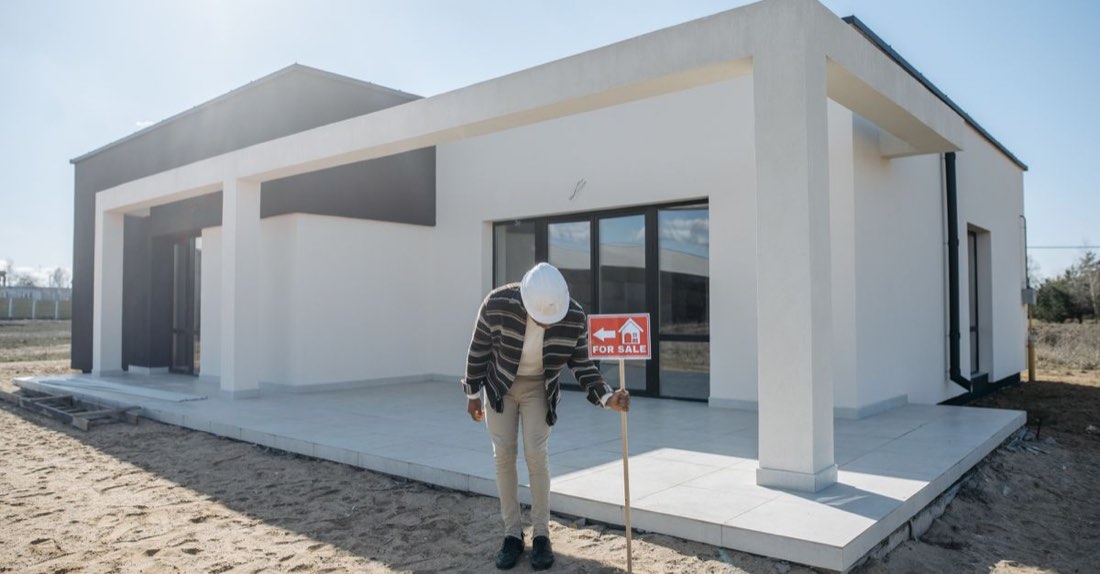
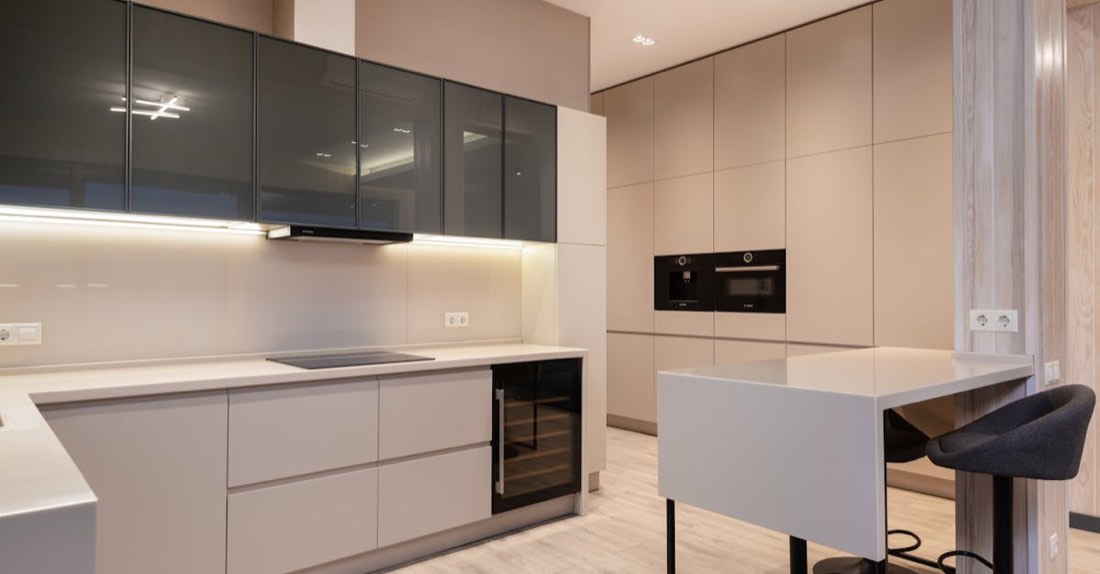
A fixer-upper is a home that needs repairs, updates, or cosmetic improvements before it feels finished. That can range from light work like paint and flooring to major projects like a new roof, electrical, or a full kitchen. A move-in ready home is one you can occupy comfortably right away, typically with updated systems and finishes already in place.
The line between the two is not always clean. A home can be structurally sound and livable while still needing cosmetic updates you would prefer to change over time.
The Case for Buying and Renovating
- Lower purchase price potential. Homes that need work are often priced below comparable updated homes in the same area, which can stretch your buying power.
- Personalization. Renovating lets you choose finishes, layouts, and features that fit how you actually live.
- Less competition. Many buyers skip homes that need work, which can mean a calmer offer process.
- Building equity through improvements. Thoughtful updates may add value over time, though results vary by market and project.
The trade-offs are real. Renovation costs can be hard to predict, timelines can stretch, and living through construction can be stressful. It often helps to get contractor estimates before you commit, and to keep a financial cushion for surprises.
The Case for Move-In Ready
- Predictability. You generally know what you are paying for, with fewer unknowns after closing.
- Convenience. You can settle in and start living without managing projects or contractors.
- Simpler financing. A standard purchase loan is often more straightforward than financing that includes renovation funds.
The trade-off is usually price. Updated homes tend to cost more, and you may have less room to make the space your own without redoing recent work.
Financing Can Shape the Decision
Your loan options may influence which path makes sense. Some buyers use a standard purchase loan for a move-in ready home, while others explore renovation loan programs that combine the purchase price and the cost of certain improvements into one mortgage. These programs have their own eligibility rules, documentation, and timelines, and they are not a fit for every project or every buyer.
It can be worth understanding what you may qualify for before you start touring homes, since that often shapes whether a fixer-upper is realistic for your situation.
Questions to Ask Yourself
- How much time and energy do I genuinely have for a project right now?
- Do I have a cushion for unexpected costs, or do I need budget certainty?
- Am I comfortable living in a home while work is underway, or do I want to settle in quickly?
- How long do I plan to stay, and would updates pay off over that horizon?
- Have I gotten realistic estimates rather than guessing at renovation costs?
A Middle Path
Many buyers land somewhere in between, choosing a home that is livable now but offers room to update on their own schedule. That can let you move in without major disruption while still leaving space to add value over time. A home inspection is especially helpful here, since it can reveal which issues are cosmetic and which may need attention sooner.
There is no single right answer. The better question is which trade-offs fit your life, your budget, and your tolerance for the unknown.
If you would like to talk through which approach and which loan options might suit your situation, the team at Clayhouse is happy to have a no-pressure conversation.
This article is general educational information, not financial or lending advice, and not a commitment to lend. Programs, eligibility, and terms vary by situation. Clayhouse Mortgage · Equal Housing Opportunity.