

Why Rent Goes Up in the First Place
Rent is shaped by a mix of factors, and increases usually reflect changes in those underlying costs and conditions. Some of the most common reasons include:
- Rising operating costs: Property taxes, insurance, utilities, and maintenance expenses can all climb over time.
- Market demand: When more people want to rent in an area than there are available homes, rents often respond.
- Property improvements: Upgrades to a unit or building can lead to adjusted pricing.
- Inflation: The general cost of goods and services tends to rise gradually, and housing is not immune.
In other words, a rent increase is not always personal. It often reflects broader economic forces that affect the person who owns the property too.
How Rent Increases Typically Work
For most tenants, rent does not change in the middle of a lease term. A fixed-term lease usually locks in your rent for its duration. Increases more commonly appear at renewal time, when a new lease term begins. If you rent month to month, your landlord may have more flexibility to adjust rent, though notice requirements still apply.
Notice is an important piece. Landlords are generally required to give written notice before raising rent, and the amount of notice can depend on your lease and local rules. Reviewing your lease agreement is the best starting point for understanding what to expect.
What Tenants Can Do
If you receive a notice of a rent increase, you have more options than you might think:
- Review your lease: Confirm the timing and notice match what was agreed.
- Research the local market: Knowing what similar homes rent for can help you gauge whether the increase is in line.
- Open a conversation: A respectful discussion with your landlord may lead to a compromise, especially if you have been a reliable tenant.
- Weigh your alternatives: Consider whether staying or moving makes more sense given the full cost of each.
Approaching the situation calmly and with information often leads to better outcomes than reacting purely out of frustration.
A Common Turning Point
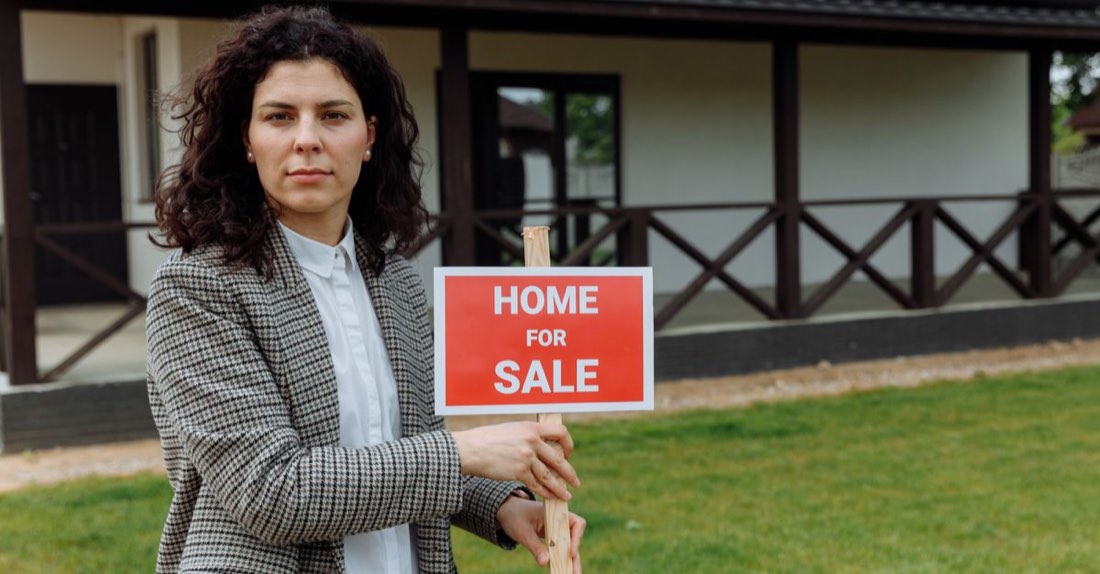
For many renters, a rent increase becomes a moment to step back and ask a bigger question: would owning a home make sense for me? When rent rises, some people start comparing the experience of renting with the idea of building equity through homeownership. There is no single right answer, since buying involves its own costs, responsibilities, and considerations, but it is a natural time to explore the possibility.
Homeownership can offer a sense of stability that renting sometimes lacks, including more predictable housing costs over the life of a fixed-rate loan. At the same time, owning comes with maintenance, taxes, and other responsibilities that renters often do not carry. Understanding both sides helps you make a choice that fits your situation.
Thinking Through the Bigger Picture
If a rent increase has you wondering about your options, it can help to look at your overall financial picture: your savings, your monthly budget, your long-term goals, and how long you plan to stay in your area. These factors all play into whether continuing to rent or exploring a purchase may be the better fit for you right now.
There is no pressure to decide quickly. The goal is simply to understand your choices so that whatever you do next feels informed and intentional.
If a rent increase has you curious about what homeownership might look like for you, the team at Clayhouse Mortgage would be glad to talk through your options whenever you are ready.
This article is general educational information, not financial or lending advice, and not a commitment to lend. Programs, eligibility, and terms vary by situation. Clayhouse Mortgage · Equal Housing Opportunity.